


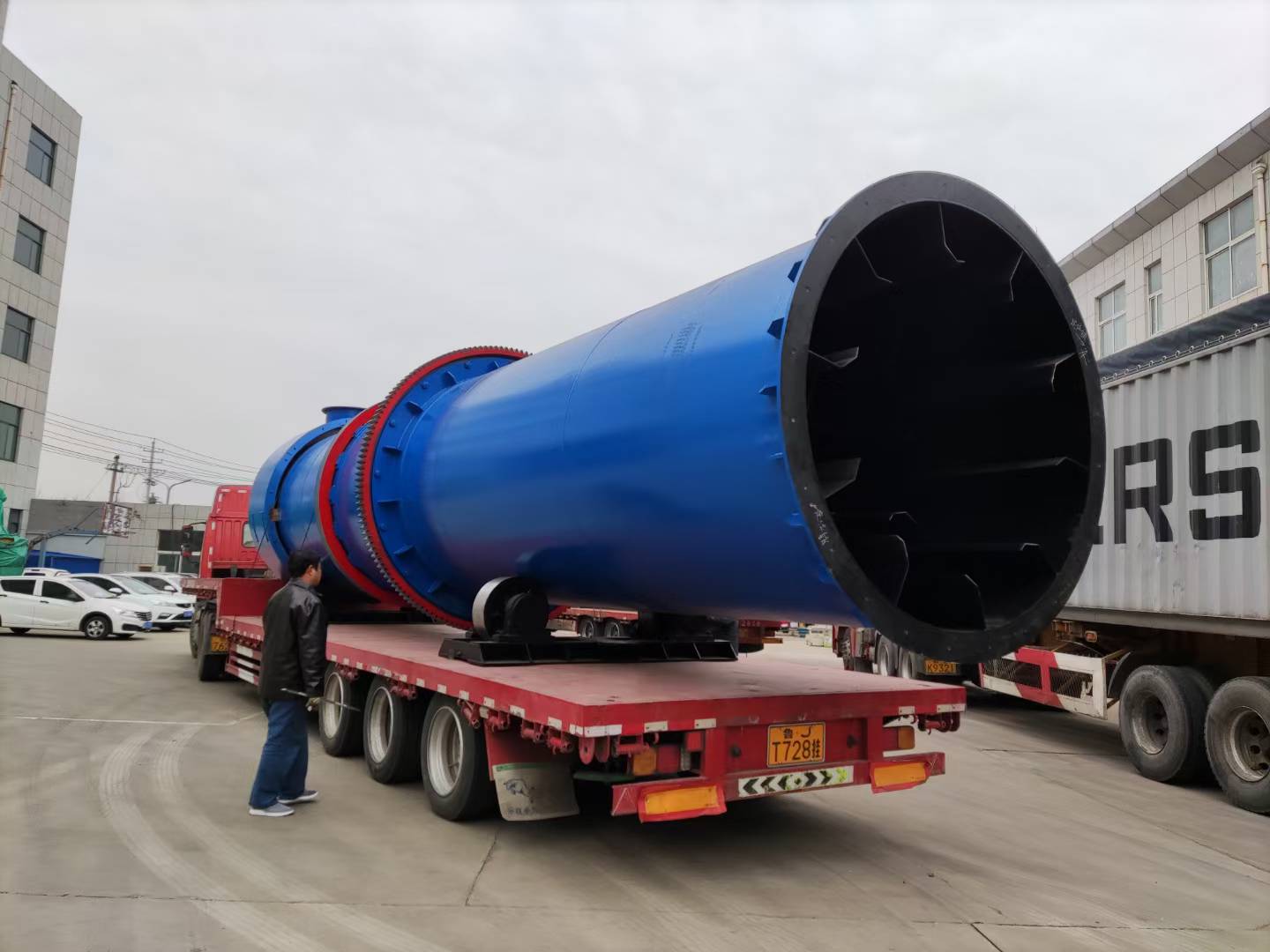
The processing of organic fertilizers has driven the development of agriculture. The technology for processing organic fertilizers involves the commercialization of matured compost materials, producing high-value-added commercial organic fertilizers through organic fertilizer equipment and control techniques, which is a process of resource utilization. During the processing of organic fertilizers by organic fertilizer equipment, aerobic composting technology is required to ferment and degrade waste materials. Today, we will explain the aerobic composting technology used in organic fertilizer equipment:
The principle of high-temperature aerobic rapid composting technology is essentially a microbial decomposition process of organic materials. During this process, organic materials are broken down by microorganisms into small-molecule fulvic acid, converting unavailable nutrients such as nitrogen, phosphorus, and potassium into available forms and transforming large-molecule proteins into small-molecule amino acids, thereby achieving the degradation of organic materials—a process of organic matter conversion. Simultaneously, the composting material generates substantial heat, raising the temperature of the pile above 60°C and maintaining it for a period, which kills pathogens and weed seeds, achieving the detoxification of compost. The low-temperature aging process of organic fertilizers allows for the gentle proliferation of microorganisms, enabling further decomposition of organic materials. Additionally, during this proliferation and decomposition, microorganisms secrete large amounts of biostimulants, improving the quality and efficacy of organic fertilizers.
The purpose of aerobic composting is to reduce volatile substances in waste, minimize odors, eliminate parasite eggs and pathogenic microorganisms, and achieve harmless disposal. Additionally, through composting fermentation, the moisture content of organic materials is reduced, organic matter is decomposed and mineralized, releasing nutrients such as N, P, and K. At the same time, the physical properties of organic materials become looser and more dispersed, facilitating storage and utilization.
After the first composting fermentation, the organic solid waste has not yet fully matured and requires further secondary fermentation, known as aging. The purpose of aging is to further decompose, stabilize, and dry the remaining large-molecule organic matter in the waste, meeting the requirements for subsequent fertilizer production processes.
The above is an introduction to the aerobic composting technology of organic fertilizer equipment. Taian Hongxin Environmental Protection has over a decade of experience in producing organic fertilizer equipment, accumulating extensive expertise. Over the years, it has earned a strong reputation and positive feedback from customers. If you have any related needs, feel free to call for inquiries.
