


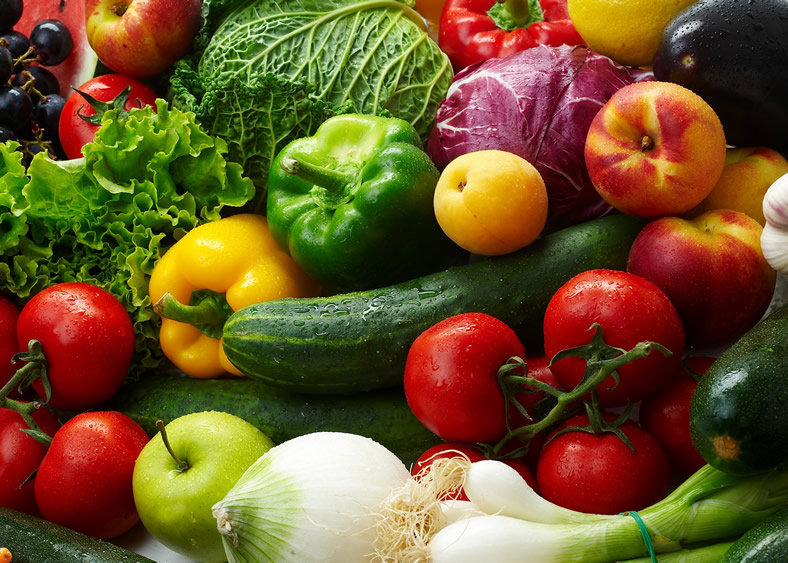
We have high standards for fruits and strive for excellence in providing fruit nutrition. All the fruits in Kunyu Mountain Villa use green and natural organic fertilizers. Below, I will introduce the advantages and functions of our organic fertilizers to you.
Farm manure
Farm manure mainly comes from plants and/or animals, and is a carbon containing material applied to the soil to provide plant nutrition as its main function. Processed from biological substances, animal and plant waste, and plant residues, it eliminates toxic and harmful substances and is rich in beneficial substances, including various organic acids, peptides, and rich nutrients such as nitrogen, phosphorus, and potassium. Not only can it provide nutrition for crops, but it also has a long fertilizer effect, which can increase and update soil organic matter, promote microbial reproduction, improve soil physical and chemical properties and biological activity, and is the main nutrient for green food production.
Youbing (Deep-fried round and flat dough-cake)
Youbing (Deep-fried round and flat dough-cake) residue is the residue left after the processing of soybean, sesame, peanut, etc. Its organic matter content is very high. Each 100kg sesame oil cake contains 5.8% nitrogen, 3% phosphorus and 1.3% potassium, which can be used as organic compound fertilizer. It is found that under the same conditions, the Youbing (Deep-fried round and flat dough-cake) fertilizer is more efficient, longer and stable than other fertilizers by applying it on the flowers and trees such as pocket coconut, Clivia and Jasmine. After fertilization, not only do the leaves of flowers and trees become lush green, but the flowers are also large and colorful.
We refer to the residue of peanut, sunflower seed, sesame, and soybean oil extraction as oil cake and sesame paste residue, respectively. They are both nutritious feed and good raw materials for composting organic fertilizers. The general process of making liquid fertilizer by fermentation is as follows: crush the sesame paste residue or soybean meal cake, place it in a tank, add 10 times the amount of water and stir evenly, then cover it tightly. In summer, it can ferment in just over half a month and be soaked into a fermented paste. When in use, dilute it with water 20-50 times according to the dosage, stir carefully, and then make a high-quality organic liquid fertilizer with a strong brown color.
The difference between organic fertilizer and inorganic fertilizer
1. Source:
Organic fertilizer refers to the fertilizer produced by plants and animals that have rotted and matured over a period of time. Some people also call it green manure, which has a wide range of sources; Inorganic fertilizers refer to fertilizers produced by chemical synthesis methods, including nitrogen, phosphorus, potassium, and compound fertilizers.
2. Effect
After using organic fertilizer, it has a quick effect and is easily absorbed by plants, but the fertility is not long-lasting enough; After applying organic fertilizer, the effect is relatively slow, but the time is longer.
3. Impact on land
Excessive use of inorganic fertilizers can cause the soil surface to become dry and compacted, leading to soil erosion, mineral depletion, and significant environmental damage. The soil will become more barren and lack many nutrients.
The nutrients contained in organic fertilizers are mostly in an organic state, which is difficult for crops to directly utilize. Through microbial action, multiple nutrients are slowly released, continuously supplying nutrients to crops. Applying organic fertilizers can improve soil structure, effectively coordinate water, fertilizer, air, and heat in the soil, and enhance soil fertility and land productivity.
