The
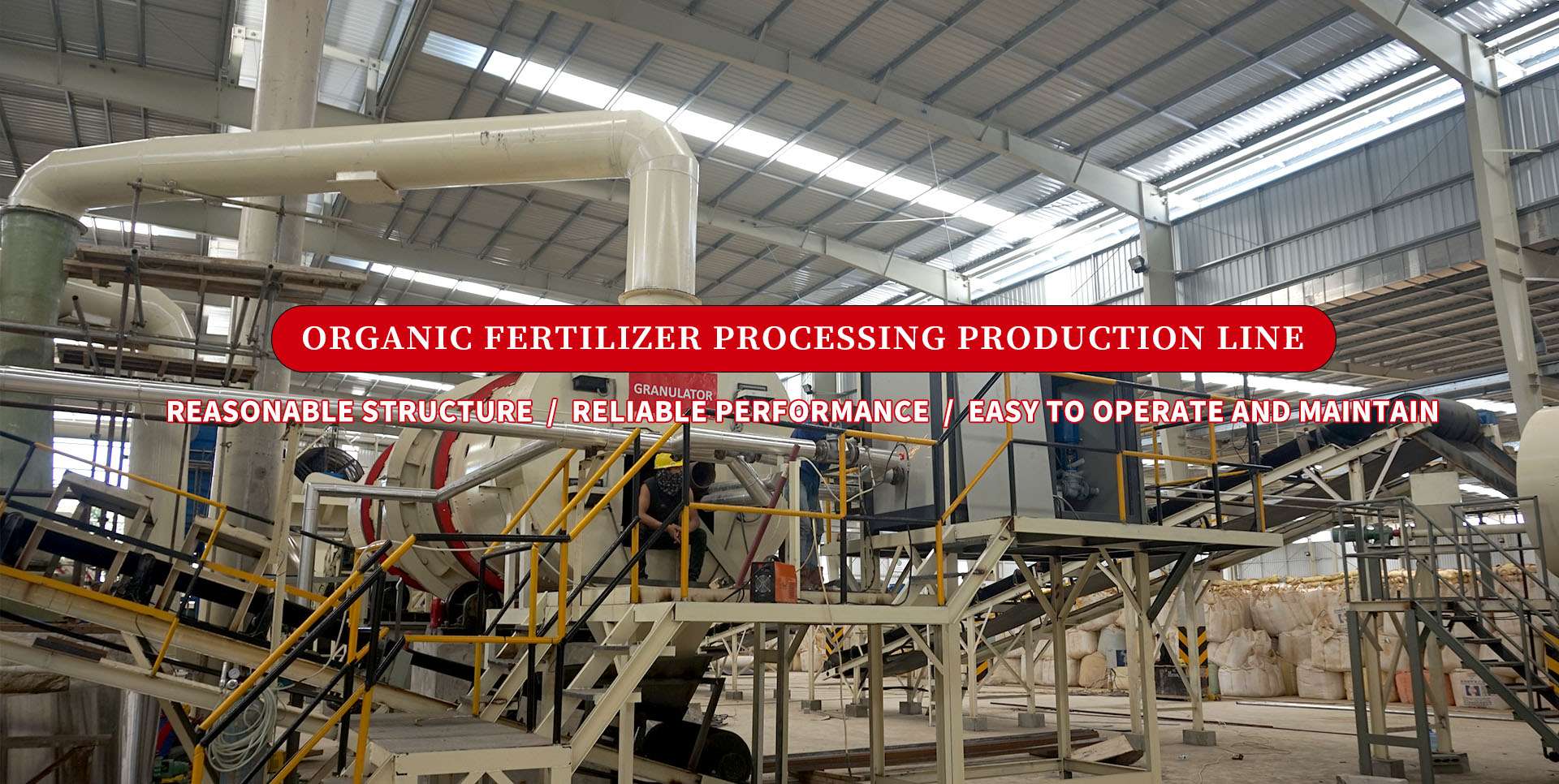
organic fertilizer production line is a complete set of equipment that converts organic wastes such as livestock manure and crop straw into standardized organic fertilizer through four core processes: "Pretreatment → Fermentation → Deep Processing → Finished Product". The equipment configuration and automation level of production lines vary significantly depending on their production capacity.
The process of the production line must match the decomposition law of organic materials. Each process corresponds to specialized equipment to ensure the efficiency of raw material conversion and the quality of finished products.
This process mainly solves the problems of excessive impurities, uneven moisture content, and oversized particle size in raw materials.
- Core Equipment: Screening machine (removes impurities like stones and plastics from straw and manure), crusher (crushes large materials to 20-30mm, e.g., semi-wet material crusher), mixer (adjusts the moisture content of raw materials and adds bacterial agents or auxiliary materials).
- Key Function: Ensures the uniformity of materials for subsequent fermentation, shortens the fermentation cycle, and prevents impurities from affecting the purity of finished products.
Through aerobic fermentation, harmful substances in organic wastes are decomposed and converted into stable organic matter.
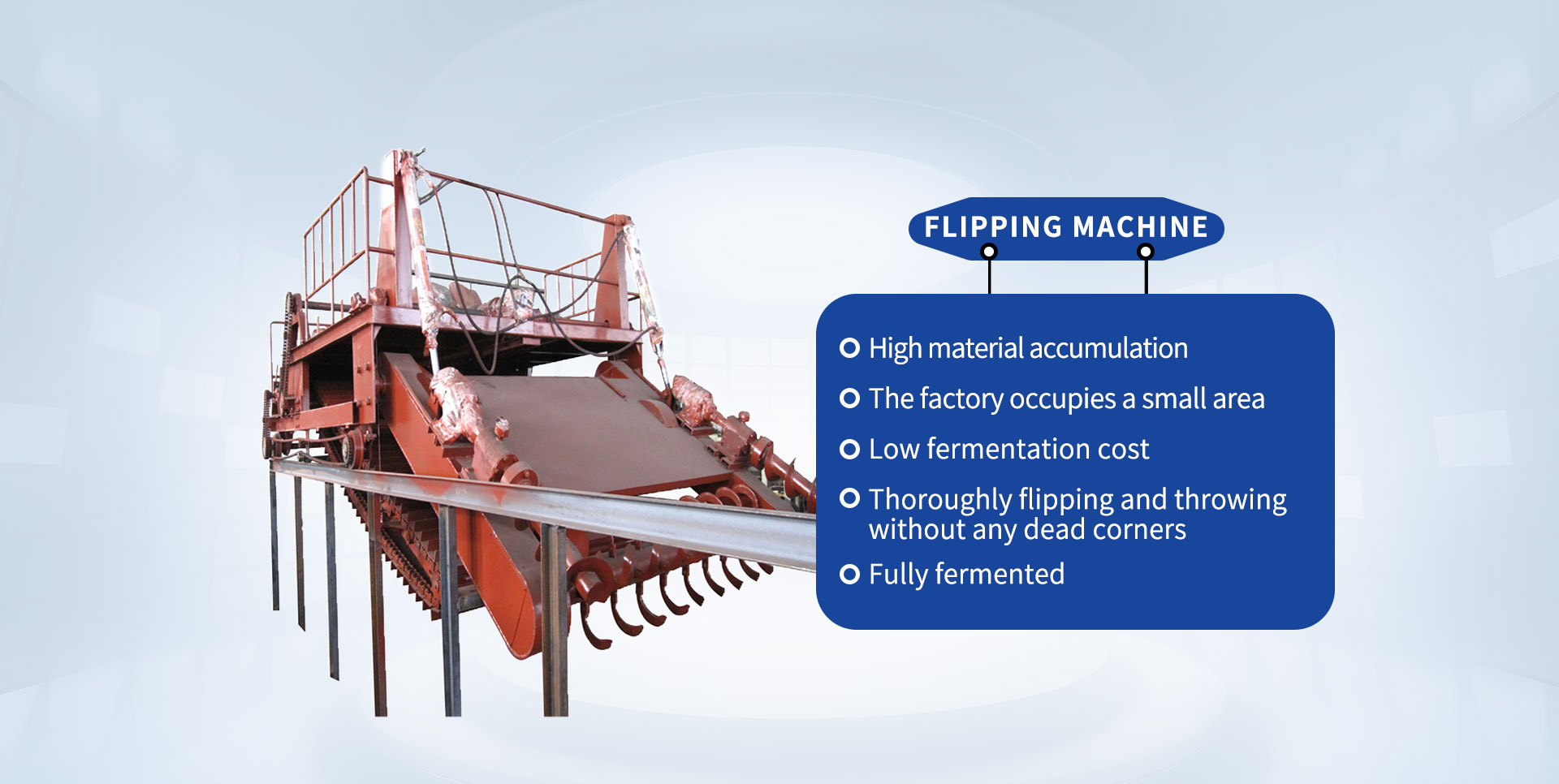
- Core Equipment: Fermentation turning machine (e.g., trough type, crawler type, for regular turning and oxygen supply), fermentation trough (used in fixed fermentation scenarios), temperature control system (monitors fermentation temperature to ensure high-temperature decomposition at 55-65℃).
- Key Function: Kills eggs and pathogenic bacteria, degrades crude fiber, and renders materials harmless and stable. This process usually takes 7-15 days.
The fermented materials are processed into forms (mainly granular) that are easy to store, transport, and use.
- Core Equipment: Secondary crusher (crushes caked fermented materials into finer particles), granulator (e.g., disc granulator, extrusion granulator, to make 3-5mm granules), dryer (reduces the moisture content of granules to below 15%, e.g., drum dryer), cooler (cools granules quickly to prevent caking).
- Key Function: Improves the physical properties of organic fertilizer, extends the shelf life, and enhances the commercial value of the product.
Ensures the finished products meet the factory standards and facilitate market circulation.
- Core Equipment: Screening machine (screens out unqualified granules and returns them for reprocessing), coating machine (optional, coats granules with anti-caking film or nutrient film), automatic packaging machine (quantitative packaging, e.g., 25kg/bag), conveying equipment (connects various processes to realize automated transfer).
- Key Function: Ensures uniform particle size and accurate weight of finished products, and enhances the market competitiveness of the product.
Production lines with different capacities vary significantly in equipment configuration and automation level, and should be selected based on specific needs.
Small-scale Production Line: Daily capacity of 10-50 tons, suitable for small farms or organic fertilizer workshops.
- Equipment Features: Mainly consists of single machines or simple combinations, with low automation level, requiring more manual assistance (e.g., manual feeding and packaging).
- Core Equipment: Small-scale turning machine, semi-wet crusher, disc granulator, manual packaging scale.
Medium-scale Production Line: Daily capacity of 50-200 tons, suitable for medium-sized organic fertilizer enterprises.
- Equipment Features: Partial automation in some processes (e.g., automatic feeding, linked drying and cooling), complete configuration, and reduced labor costs.
- Core Equipment: Trough-type turning machine, double-shaft mixer, drum granulator, automatic packaging machine.
Large-scale Production Line: Daily capacity of over 200 tons, suitable for large-scale organic fertilizer factories.
- Equipment Features: Full-process automatic control (PLC control system), equipped with intelligent monitoring (e.g., online detection of moisture and temperature), high efficiency, and low energy consumption.
- Core Equipment: Crawler-type turning machine, intelligent fertilizer blending system, high-efficiency granulator, fully automatic coating and packaging line.