

1. Definition of Organic Fertilizer
A type of fertilizer made by the decomposition or fermentation of natural organic matter by microorganisms. It refers to a type of fertilizer that meets relevant national standards and regulations, which is formed by using various animal waste (including animal feces, animal processing waste) and plant residues (such as cake, fertilizer, crop straw, fallen leaves, dead branches, grass charcoal, etc.) through physical, chemical, biological, or a combination of all three treatment technologies, and through certain processing techniques (including but not limited to high-temperature anaerobic composting, etc.) to eliminate harmful substances (pathogens, pests, diseases, eggs, weeds, seeds, etc.) to achieve harmless standards.
Point: Not only can it provide complete nutrition for crops, but it also has a long fertilizer effect, can increase and renew soil texture, promote microbial reproduction, improve soil physical and chemical properties and biological activity, and is the main nutrient for green food production.
2. Product execution standards
Biological organic fertilizer: a type of fertilizer that combines microbial and organic fertilizer effects, composed of designated functional microorganisms and organic materials mainly derived from animal and plant residues (such as livestock and poultry manure, crop straw, etc.) that have been treated harmlessly and decomposed. Product Execution Standard - NY 884-2004.
Organic inorganic compound fertilizer: also known as organic-inorganic compound fertilizer, a compound fertilizer containing a certain amount of organic matter. Compound fertilizer: a fertilizer made by chemical methods and/or blending methods, which contains at least two of the three nutrients nitrogen, phosphorus, and potassium in the specified amount. Product execution standard - GB18877-2002.
3. Process description
Mixing section: Prepare the crushed raw materials according to the ratio, use a mixer to mix them for 2 minutes, pour the fermentation bacteria into water according to (1/300) dilution and stir evenly, then pour in and continue stirring until there are no lumps.
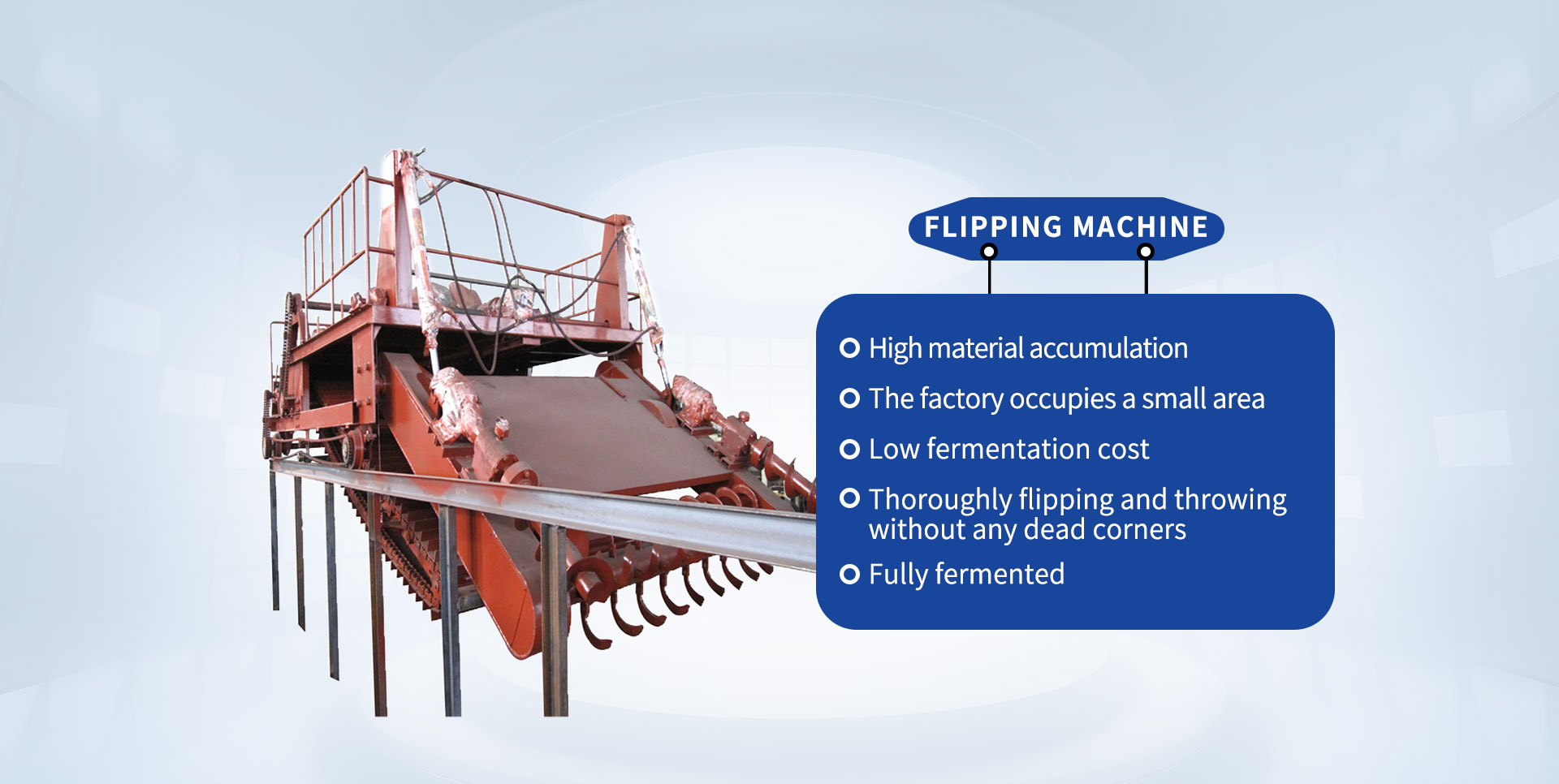
Fermentation: Pour the diluted raw materials into the fermentation tank and ferment for 5-10 days at a temperature of 25 ℃ to 35 ℃. After fermentation and maturation, do not burn the roots or rot the seedlings; Killed most of the pathogenic bacteria and insect eggs, added beneficial bacteria, and reduced the occurrence of diseases due to the occupancy effect of the microbial community.
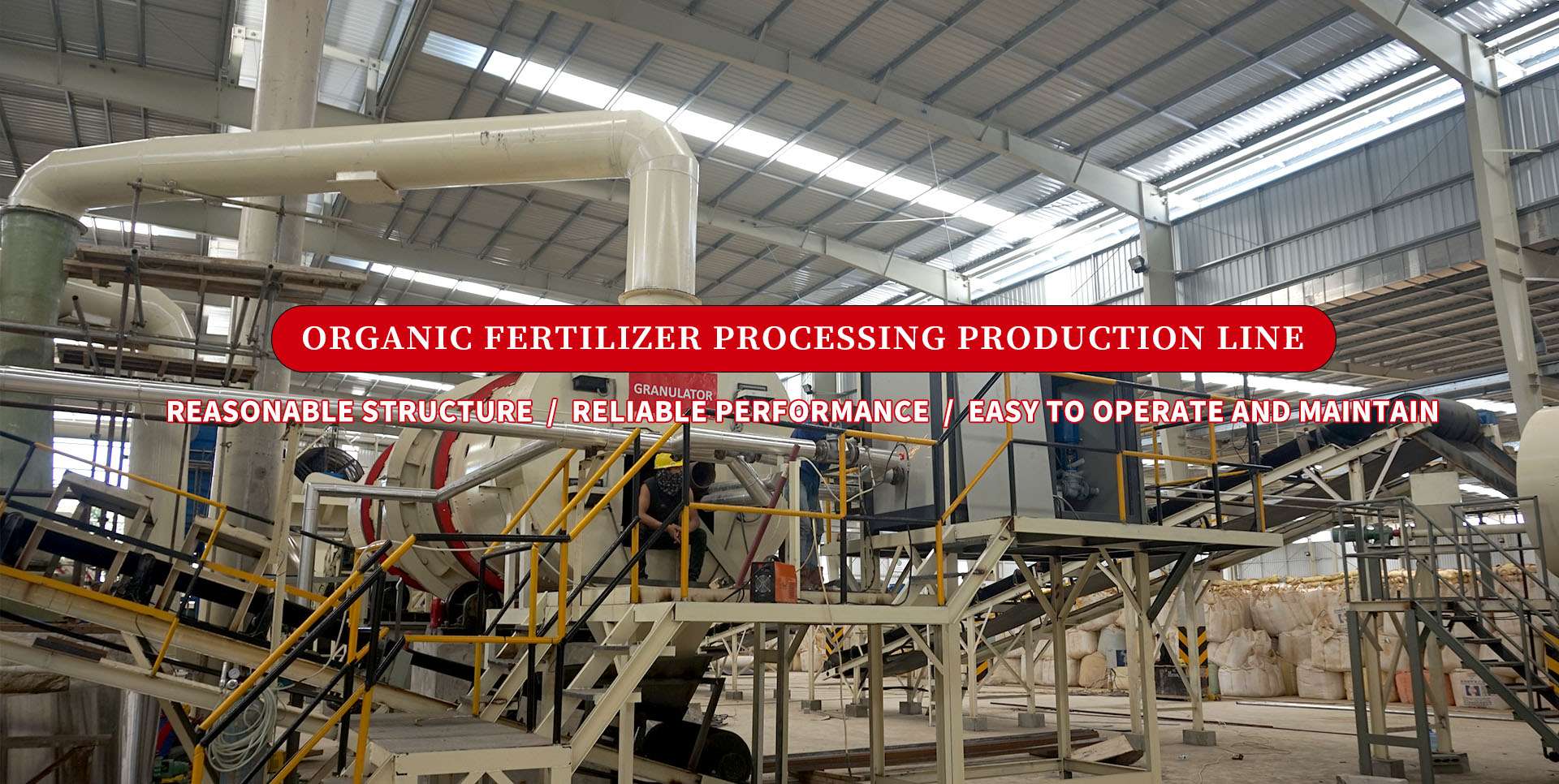
Granulation: After fermentation, the raw materials are separated and transported to the granulator by a belt conveyor. The hot air generated by the hot air furnace enters the granulator through a control valve, and the raw materials are continuously rotated into granules in the steam with the granulator. The remaining water in the fermentation tank is sent to the biogas digester of Wanfeng Machinery Beef Cattle Farm as raw material for use.
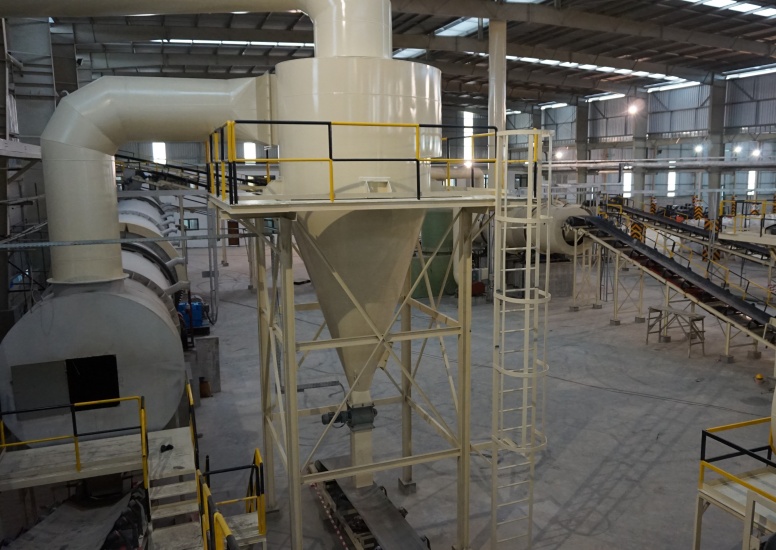
Drying process: The granules produced in the granulator will be transported to the drum dryer for rolling drying. The dryer adopts reverse wind high-temperature drying, and the hot air is generated by the hot blast stove.
Cooling process: The dried product is cooled by a counter current cooler and packaged for storage.
